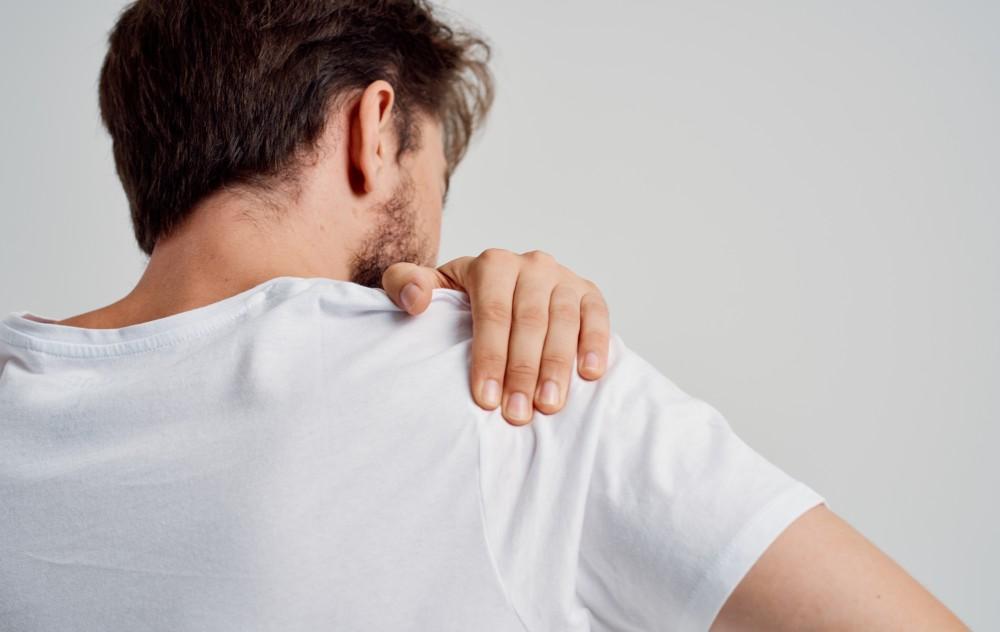
When winter arrives, joint stiffness becomes a common complaint. However, if lifting your arm overhead, reaching behind your back, or putting on a winter coat causes severe pain and physical blockage, you may be experiencing adhesive capsulitis—commonly known as frozen shoulder. Dropping temperatures cause vascular constriction and joint tissue tightening, aggravating existing inflammation. At the practice of Matthew A. Pifer, M.D., a board-certified orthopedic shoulder and sports medicine surgeon, we provide specialized diagnostic evaluations and advanced treatments to thaw frozen shoulder and restore pain-free movement.
Understanding Frozen Shoulder (Adhesive Capsulitis)
The shoulder joint is encased in a flexible capsule of connective tissue. In adhesive capsulitis, this capsule becomes severely inflamed, thickens, and develops dense scar tissue (adhesions). As joint space contracts and lubricating synovial fluid decreases, mobility becomes severely restricted.
Frozen shoulder generally progresses through three stages:
- Freezing Stage: Gradual onset of severe, persistent pain, especially at night, accompanied by decreasing mobility (2–9 months).
- Frozen Stage: Pain may lessen slightly, but profound stiffness renders daily overhead tasks nearly impossible (4–12 months).
- Thawing Stage: Shoulder movement slowly improves, though full recovery without medical intervention can take over two years.
Why Cold Weather Exacerbates Shoulder Stiffness
Cold environments intensify stiffness through several physiological mechanisms. Vasoconstriction narrows blood vessels to reduce oxygen flow to the joint capsule, making connective tissues less elastic. At the same time, lower temperatures increase synovial fluid viscosity within the joint, adding mechanical resistance. Furthermore, shivering and hunching against cold winds cause muscle guarding that tenses surrounding shoulder muscles and increases joint compression, while atmospheric pressure drops from barometric changes cause inflamed joint tissues and nerve endings to swell, heightening overall pain perception.
At-Home Steps for Winter Shoulder Relief
While professional evaluation is critical, home habits can help keep surrounding tissues relaxed:
- Apply Moist Heat: Warm heating pads or hot showers for 10–15 minutes loosen tight periarticular tissues before movement.
- Wear Thermal Layers: Keep shoulders covered and avoid restrictive clothing that forces awkward joint angles.
- Perform Gentle Pendulum Exercises: Lean forward and let the affected arm dangle, using gentle body movement to induce circular motion without active muscle strain.
Orthopedic Diagnosis and Treatment Solutions
Most patients improve with non-surgical management. Surgery is typically reserved for cases that remain resistant to conservative care after several months. For these persistent cases, Dr. Pifer performs minimally invasive shoulder surgery via arthroscopic capsular release, using keyhole incisions to release tight scar tissue and restore normal joint volume and range of motion.
Reclaim Your Mobility Today
You do not need to endure winter with chronic shoulder pain or reduced movement. With expert orthopedic care, adhesive capsulitis can be resolved effectively.
Struggling with overhead reach or persistent stiffness? Visit Matthew A. Pifer, M.D., today or contact our office to schedule your consultation.